Our research at the Centre for Misfolding Diseases (https://www.cmd.ch.cam.ac.uk/) is aimed at understanding the molecular origins of neurodegenerative disorders. We have set up an interdisciplinary programme that brings together methods and concepts from chemistry, physics, engineering, genetics and medicine. We are using a combination of in vitro, in silico and in vivo approaches to study protein homeostasis through the analysis of the effects that result from its alteration in specific proteins, from either amino acid mutations, or changes in concentration and solubility, or the interactions with other molecules. This programme is generating new insights into the mechanism through which physical and chemical sciences can increase our understanding of the nature and consequences of the failure to maintain protein homeostasis and its association with ageing and neurodegenerative disorders.
Researchers have used artificial intelligence techniques to massively accelerate the search for Parkinson’s disease treatments.
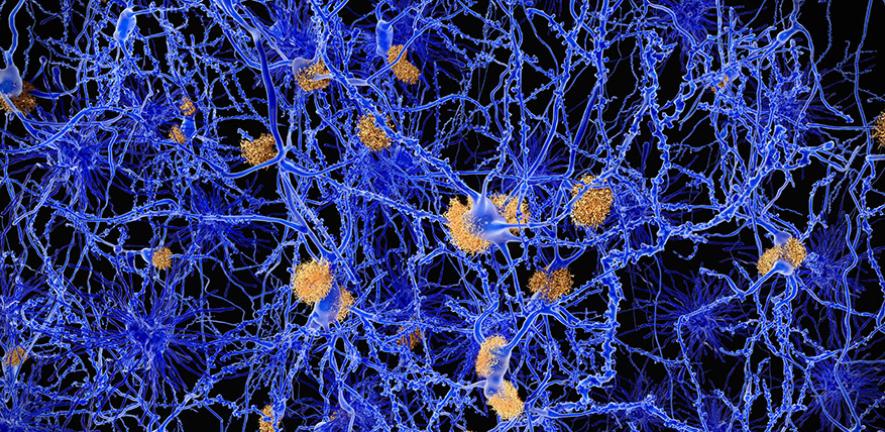
Researchers have developed a method to identify new targets for human disease, including neurodegenerative conditions…