
Latest news

Open Funding Calls from Alzheimer's Society - Project grants and PhD studentships

Alzheimer's Society funds research into all forms of dementia and across the spectrum of cause, care, cure, diagnosis and prevention of dementia.

Read the full article

Free Expert Witness Training

Cambridge Enterprise is delighted to be offering a free one day training course on courtroom skills for expert witnesses. Practice and develop your courtroom skills and evidence giving technique.

Read the full article

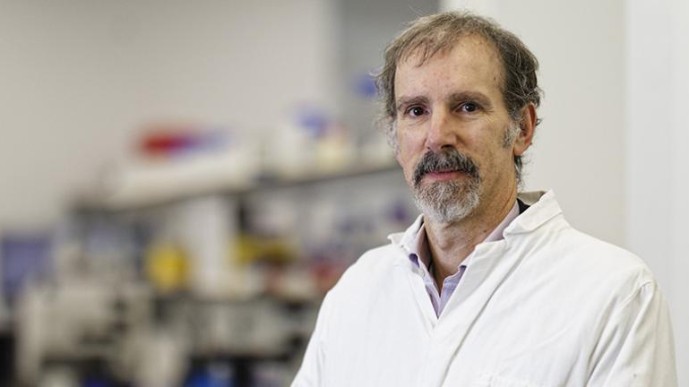
Cambridge Neuroscientist Dr John Coates publishes new book on the biology of risk taking

In this book Coates sketches out a universal biology of risk taking. Under the pressure of risk our biology transforms us into different people, a transformation Coates, drawing on an old French expression, calls The Hour Between Dog and Wolf.

Read the full article

Systems & Computational
Developmental
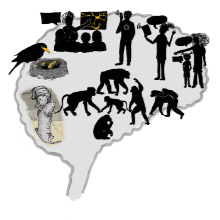
Cognitive & Behavioural
Clinical & Veterinary
Cellular & Molecular
Welcome to Cambridge Neuroscience

Cambridge Neuroscience — connecting multidisciplinary neuroscience research and teaching across the University of Cambridge and affiliated Institutes, with a mission to increase our fundamental understanding of brain function and enhance quality of life

Neuroscience has transformed our understanding of the healthy brain and promises treatments for devastating disorders that affect millions of people. As the search for more effective therapies continues, unravelling the complexities of the brain and mind has become a multi-disciplinary enterprise. Neuroscience now transcends biology and, increasingly, involves novel intellectual alliances such as computational neuroscience, social neuroscience, educational neuroscience, neuroeconomics, neurophilosophy and neuroethics.

Cambridge Neuroscience exists as a virtual centre of excellence with crosscutting research programmes in thematic areas.

Today's talks – Wednesday 16th May

12:00pm Apolipoprotein E and Alzheimer's Disease: Molecular Mechanisms
Paul Hopkins, Kings College London
12:30pm Biasing experimental settings to maximise empirical phenomena: the good, the bad, and the ugly
John Duncan, Pierre Gagnepain (MRC Cognition & Brain Sciences Unit)